

The Interplay Between Online Gambling and Mental Health: Challenges and Solutions
In the modern age, online gambling has become increasingly popular, transforming the way individuals engage with this activity. This shift has significant implications for mental health, as the accessibility of online platforms can exacerbate underlying psychological issues. Understanding this relationship is crucial for both players and mental health professionals. Many gamblers seek entertainment, and for some, it may seem harmless. However, for others, it may lead to severe consequences. An insightful resource can be found at Online Gambling and Mental Health Awareness https://888starz-chile.com/, which provides information not only on gambling but also its implications on players’ mental health.
The Growth of Online Gambling
Over the last two decades, online gambling has exploded in popularity, fueled by advances in technology and the widespread use of smartphones. Players can now access a plethora of gambling options from the comfort of their homes. Sports betting, poker, casino games, and lottery games are just a few of the many avenues that attract individuals. This convenience can lead to higher participation rates, but it also raises concerns about how it affects mental health.
Understanding Impacts
Online gambling can have various mental health impacts, both positive and negative. On one side, it can provide entertainment and social interaction. Gamblers often find community, companionship, and a degree of excitement. However, the ease of access can lead individuals to gamble more than they originally intended, resulting in negative emotional and psychological outcomes.
The Dark Side of Online Gambling
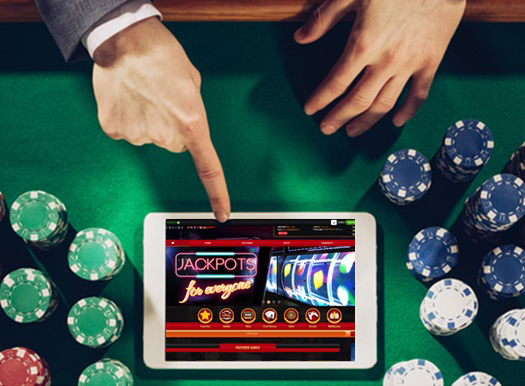
For many, online gambling can become a problematic behavior. Research indicates that a segment of online gamblers can develop gambling disorders. These conditions can lead to a range of mental health issues, including anxiety, depression, and substance abuse. The immediate gratification from gambling wins can further reinforce addictive behaviors, creating a detrimental cycle that is hard to break.
Statistics on Gambling Addiction
According to studies, approximately 1-2% of the general population may be affected by gambling disorders. However, this number can be much higher among regular online gamblers. Among younger adults, particularly those who have easy access to online platforms, the rates of problem gambling can rise significantly. It’s imperative to monitor gambling habits and seek help when they become problematic.
Signs of Gambling Addiction
Recognizing gambling addiction can be challenging. Players may not initially see the problem or may downplay their gambling habits. However, certain signs can indicate a gambling issue:
- Increasing the amount of time and money spent on gambling.
- Feeling restless or irritable when attempting to cut back.
- Gambling as a way to escape problems or feelings of anxiety.
- Neglecting responsibilities at work, school, or home due to gambling.
- Using gambling as a means to cope with emotional distress.
Resources and Support
For those who recognize these signs in themselves or others, seeking help is crucial. Numerous resources exist to assist individuals struggling with gambling addiction:

- National Council on Problem Gambling (NCPG): Offers resources, advocacy, and support networks for gamblers and their families.
- Gamblers Anonymous: A fellowship of individuals who share their experiences to support one another in overcoming gambling problems.
- Therapeutic Services: Many mental health professionals specialize in gambling addiction and can provide therapy and support.
Promoting Healthy Gambling Habits
While gambling can lead to adverse effects, it does not necessarily have to be harmful. Promoting responsible gambling is vital for minimizing risks. Here are some strategies individuals can adopt:
- Set strict limits on both time and money spent on gambling.
- Consider gambling as a form of entertainment, not a way to make money.
- Keep track of gambling activities and reflect on feelings associated with wins and losses.
- Stay informed about the potential risks and signs of gambling addiction.
- Take breaks and engage in other social activities outside of gambling.
The Role of Technology in Responsible Gambling
Many online gambling platforms have started implementing measures to promote responsible gaming. Features like deposit limits, self-exclusion options, and reminders about gambling durations can help players manage their engagement with the games. Additionally, technology can play a role in monitoring gambling behaviors, allowing individuals to assess their habits regularly.
Conclusion
The relationship between online gambling and mental health is complex and multifaceted. While many engage in this activity for enjoyment, it is essential to recognize the potential risks involved. By promoting awareness and encouraging responsible habits, we can create a healthier gambling environment. The journey toward understanding and addressing gambling’s mental health implications is ongoing, and open dialogue is critical for fostering support and resources for those affected.